
Cracks in the Walls: How to Tell Serious Structural Problems from Cosmetic Ones in Porto
Not all cracks are equal. A home inspector explains which cracks in Porto properties are cosmetic, which need monitoring, and which should stop you buying.
Manuel R.
6/6/20264 min read
One of the most common questions I hear during inspections is:
"Should I be worried about that crack?"
The honest answer is: it depends.
I've inspected plenty of properties across Porto where buyers were ready to walk away because they spotted a few cracks in the walls. In most cases, those cracks were completely harmless. On the other hand, I've also come across cracks that pointed to structural problems that would have cost tens of thousands of euros to repair.
The key is knowing the difference.
The Cracks I Usually Don't Worry About
Almost every older property in Porto has some cracking.
Hairline cracks in plaster — typically less than 0.3mm wide — are incredibly common. Plaster, mortar and paint all expand and contract as temperatures and humidity levels change throughout the year. In a city like Porto, where buildings are exposed to damp winters and warm summers, this is perfectly normal.
You'll often see these cracks:
Running diagonally from the corners of windows and doors
Following plasterboard joints
Appearing as fine spiderweb patterns in painted surfaces
They don't look great, but they're usually cosmetic rather than structural.
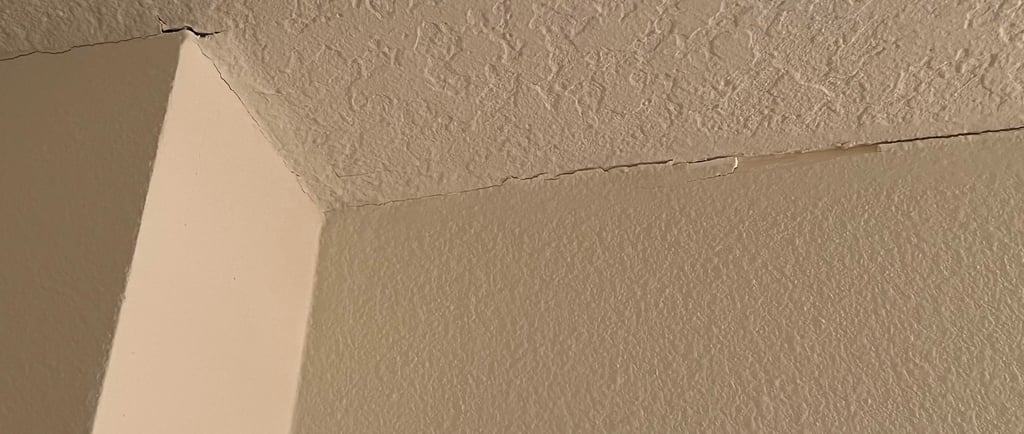
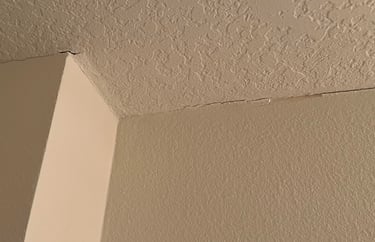
Another crack I see regularly is where the wall meets the ceiling. Older buildings often combine different construction materials, and each material moves slightly differently over time. Small cracks at these junctions are generally nothing more than a maintenance issue.
*Img1: Good example of cosmetic cracking often caused by movement, shrinkage, temperature changes, and aging plaster.*
A Particular Challenge in Porto's Historic Centre
Porto's historic buildings come with their own quirks.


Cracks That Deserve a Closer Look
Some cracks aren't necessarily serious, but they shouldn't be ignored either.
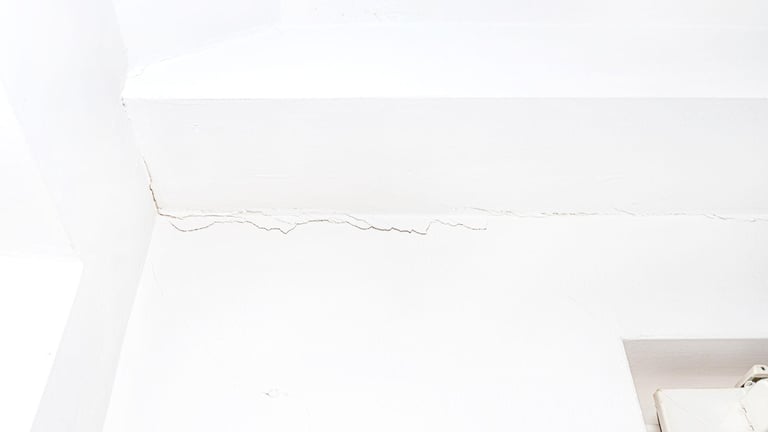
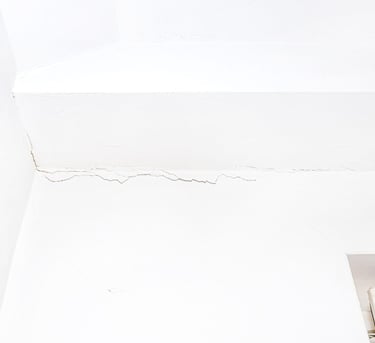
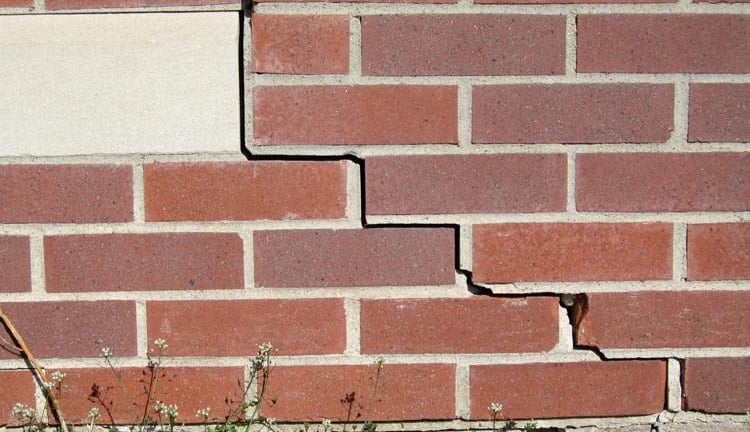
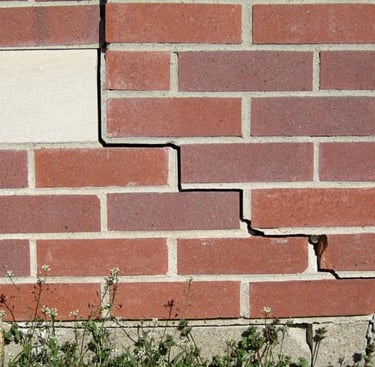
One example is a step crack running diagonally through the mortar joints of a brick or stone wall. This can indicate that part of the building moved at some point in the past.
The important question is whether the movement has stopped.
During inspections, I look at the width, direction, age and surrounding signs to determine whether a crack appears historic or active. If there's any doubt, I recommend monitoring it over time using a tell-tale gauge or another simple method to check whether the crack continues to open.
Horizontal cracks in external walls are another category that deserves attention. These can sometimes indicate a failing lintel above a window or door, or even a wall that is beginning to bow outward.
At that stage, it's worth getting a structural engineer involved before committing to a purchase.
Cracks I Take Seriously
There are certain cracks that immediately raise concerns during an inspection.
A good rule of thumb is this: if you can comfortably fit a coin into the crack (around 5mm or more), it's no longer something I'd dismiss without further investigation.
This is especially true when cracks appear:
Near load-bearing walls
Around columns or structural supports
Above windows and doors
Where floor beams connect into walls
Large cracks in these locations often suggest ongoing movement rather than simple settlement.
What concerns me even more is when cracks are accompanied by other symptoms, such as:
Doors or windows that suddenly won't close properly
Floors that noticeably slope or bounce underfoot
Gaps opening between walls and floors
Bulging or bowing walls
Uneven floor levels between rooms
When multiple signs appear together, the issue is rarely cosmetic.
Img2: *Cracks That Deserve a Closer Look*
Don't guess.
Cracks are one of the easiest defects to misinterpret. I've seen buyers panic over harmless cosmetic issues, and I've also seen serious structural concerns dismissed with a casual "that's normal in old houses."
Before you commit to a purchase, it's worth getting an independent opinion from someone whose job is to assess the property—not sell it.
At Oporto Home Inspections, I assess crack patterns, locations, widths and associated symptoms as part of the inspection process. If I believe further structural investigation is needed, I'll tell you clearly and recommend bringing in a structural engineer before you move forward.
A crack by itself doesn't tell the whole story. The surrounding evidence does.
Don't let a few cosmetic cracks scare you away from an otherwise excellent property. But don't accept assurances that they're "nothing to worry about" without having someone independent verify it first.


Many of the buildings in the city centre were constructed long before modern foundation standards existed. Some sit directly on rock, while others rely on compacted fill and traditional construction methods that have worked surprisingly well for decades—or even centuries.
The challenge is that these older buildings can be sensitive to changes around them.
I've seen cases where nearby excavation work, utility trenching, neighbouring renovations or demolition projects triggered movement in buildings that had previously been stable for years.
That's why context matters. A crack that hasn't changed for twenty years is a very different story from a crack that appeared six months after major works started next door.


Thinking about buying a property in Porto?
What Should You Do If You're Not Sure?
CONTACTS


Vila nova de Gaia, Portugal, 4400-108
+351 934 934 630
hello@oportohomeinspections.com