How to Know if a Home in Porto Is Safe (Before You Buy)
By Manuel R.5 min read
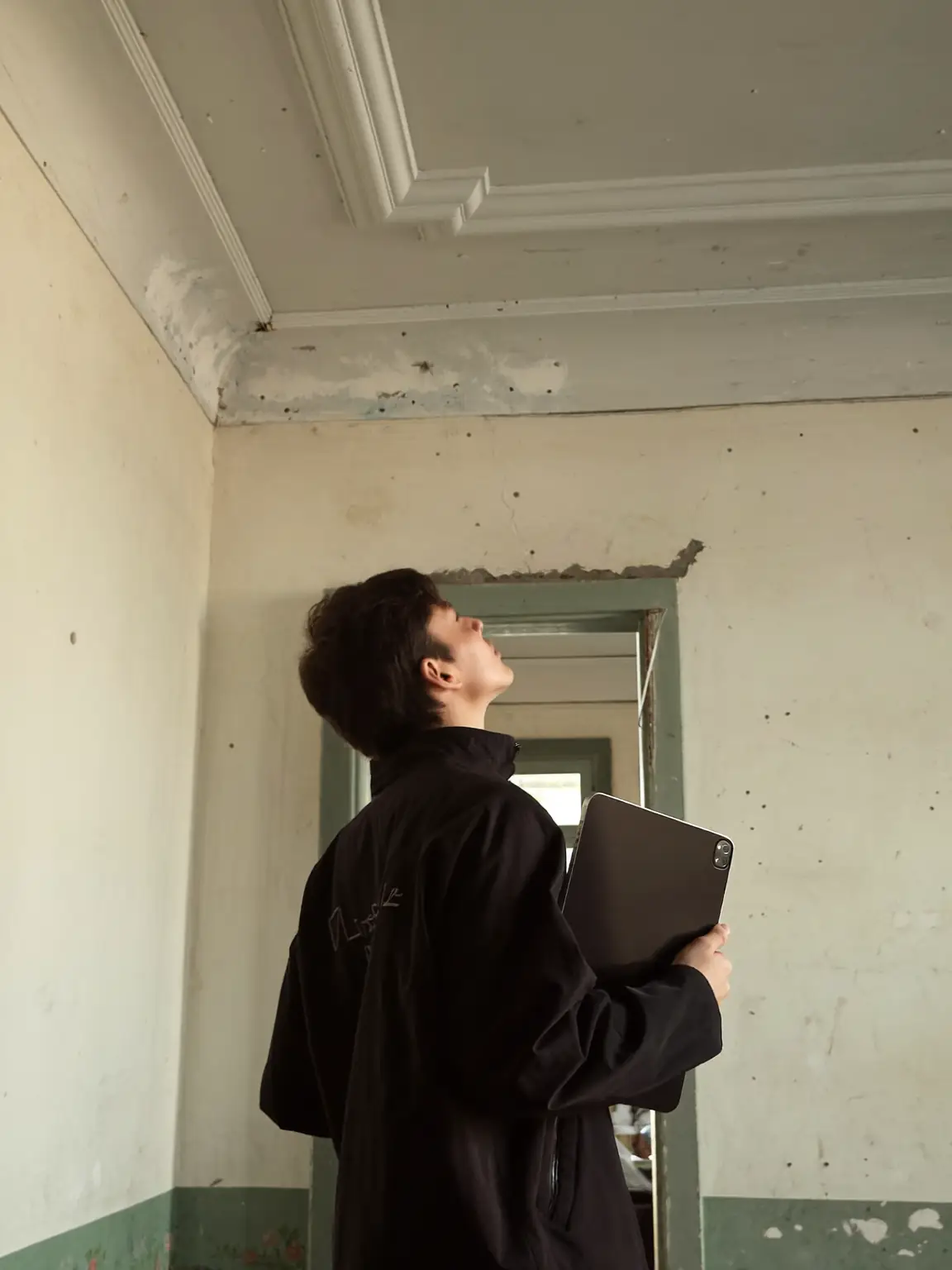
Every buyer who falls in love with a property in Porto eventually asks me the same thing:
“Is this house actually safe?”
It is the right question, and a hard one to answer from a viewing. Porto is full of beautiful buildings, many a hundred years old or more, built with granite, timber and traditional methods that have held up remarkably well. But “looks lovely” and “is safe” are not the same thing. A fresh coat of paint and a staged living room can sit on top of problems that cost tens of thousands of euros to put right.
Here is what I actually look for when I decide whether a home in Porto is safe to buy, and where a viewing alone will let you down.
1. The structure: is the building still standing straight?
Structure is the first thing I assess, because it is the most expensive thing to get wrong. Cracks are part of life in older Porto buildings, and most are harmless. The ones that matter are wide enough to fit a coin, run through load-bearing walls, or appear alongside other symptoms. Here is how to tell the difference.
- Doors or windows that suddenly will not close properly
- Floors that slope or bounce underfoot
- Gaps opening between walls and floors
- Walls that bulge or bow outward
One sign on its own is usually nothing. When several appear together, the issue is rarely cosmetic, and it is worth pausing before you make an offer.
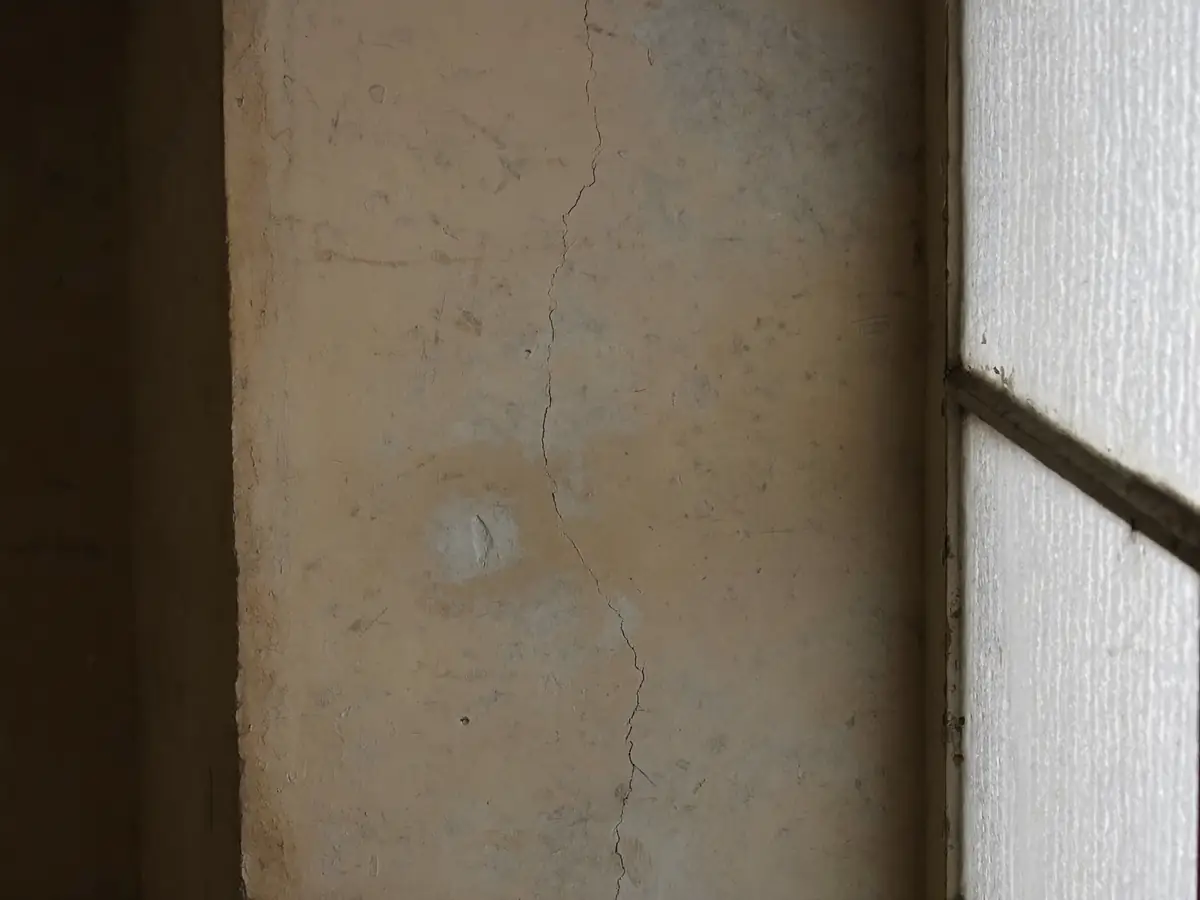
2. Water: the real enemy in Porto
If structure is the most expensive problem, water is the most common one. Porto’s Atlantic climate of damp winters, driving rain and humidity off the river works on a building all year. Rising damp at the base of walls, water through old window frames, and poor ventilation that breeds mould are things I find in a large share of the properties I inspect.
Damp is rarely a reason to walk away on its own, but you need to know it is there before you buy, not after. At a viewing, watch for fresh paint in odd patches (often covering a stain), a musty smell, and bubbling or flaking plaster near skirting boards.
3. The roof and the timber holding it up
Many Porto buildings rely on timber structures such as roof beams, floor joists and staircases that have done their job for a century. Most are fine. But timber in a damp climate is vulnerable to rot, and Portugal has its share of woodworm and termites, which quietly weaken wood from the inside. A sagging roofline, soft or springy floors, and small holes or fine dust around beams are all things I check carefully.
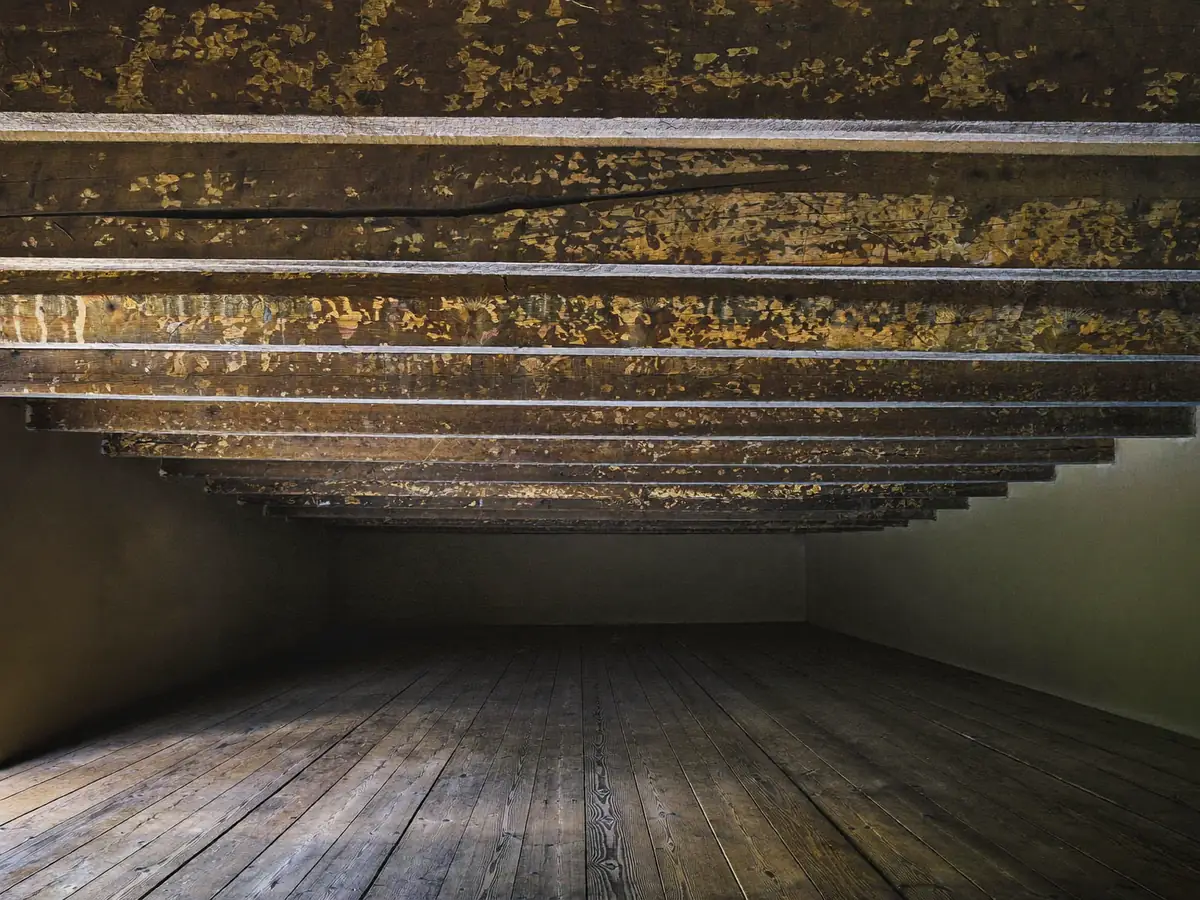
4. Electrics and gas: the safety risks people forget
Older properties often still have original electrical installations: no proper earthing, undersized wiring, fuse boxes untouched for decades. And gas is a real one. I regularly find expired gas hoses and old water heaters that are genuinely unsafe to use.
These are not “renovate one day” issues. An expired gas connector or faulty wiring is a safety risk now, and should be flagged and fixed before anyone moves in.
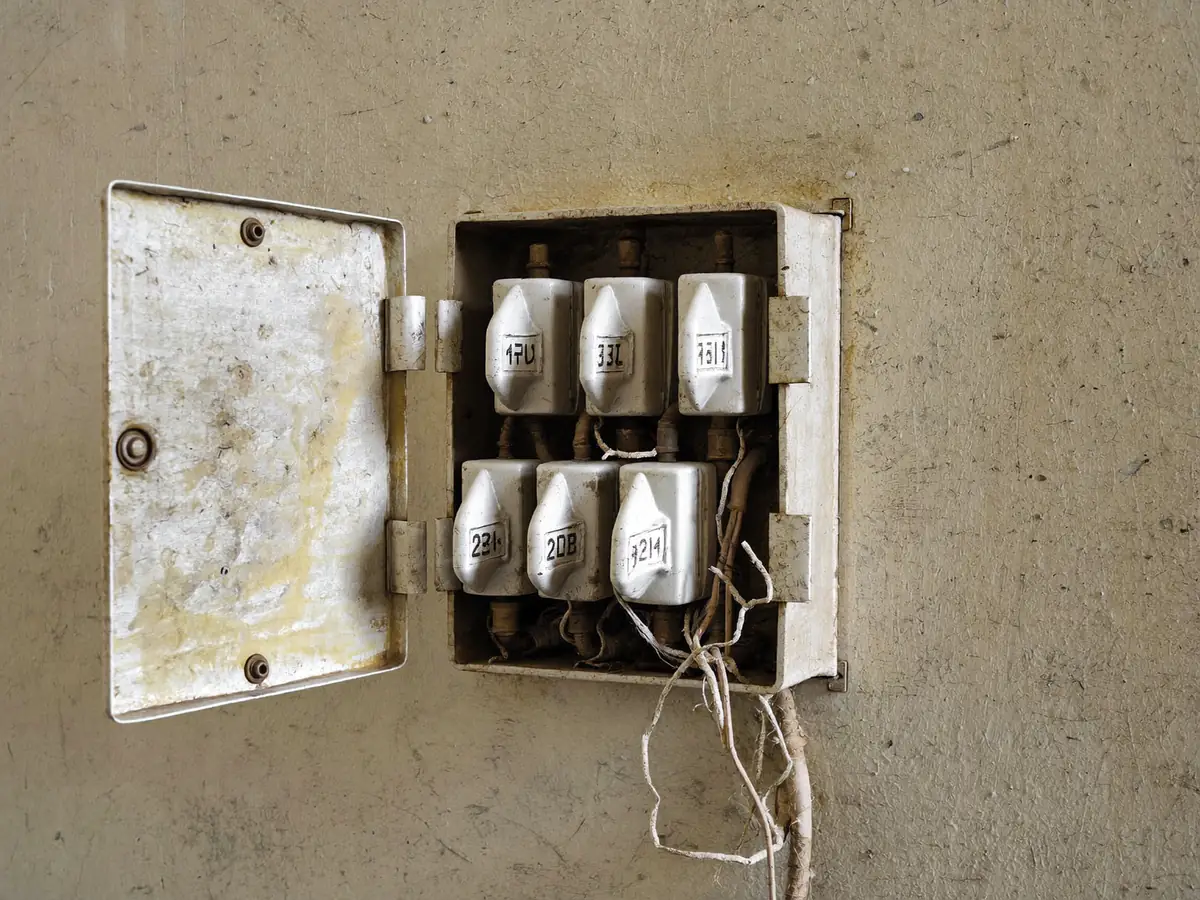
5. What a viewing will never tell you
An estate agent’s job is to sell the property. The seller’s job is to present it at its best. Neither is there to tell you what is wrong with it, and often they do not know themselves. By the time a defect is obvious to an untrained eye, it is usually expensive.
An independent inspection exists to give you an honest, unbiased picture of the home before you commit. I go through the structure, damp, roof, timber, electrics, gas and the dozens of smaller things that add up, and I tell you plainly what I find, what it means and what it will take to put right. If something needs a structural engineer, I say so.
A quick checklist before you make an offer
- Look for cracks wide enough to fit a coin, especially near load-bearing walls
- Test that doors and windows open and close properly
- Check for sloping or bouncy floors
- Smell for damp and look for fresh paint hiding stains
- Note the age of the wiring, fuse box, water heater and gas connections
- Ask when the roof was last looked at
- Get an independent inspection before you sign anything
None of this should scare you away from buying in Porto. Plenty of these old buildings are excellent, solid homes that will outlast all of us. The point is to buy with your eyes open.
At Oporto Home Inspections we inspect homes across Porto, Vila Nova de Gaia and the North for buyers who want the truth about a property, not the sales version. Inspect with confidence.