Rising Damp in Porto: What to Look For When You View a Property
By Manuel R.2 min read
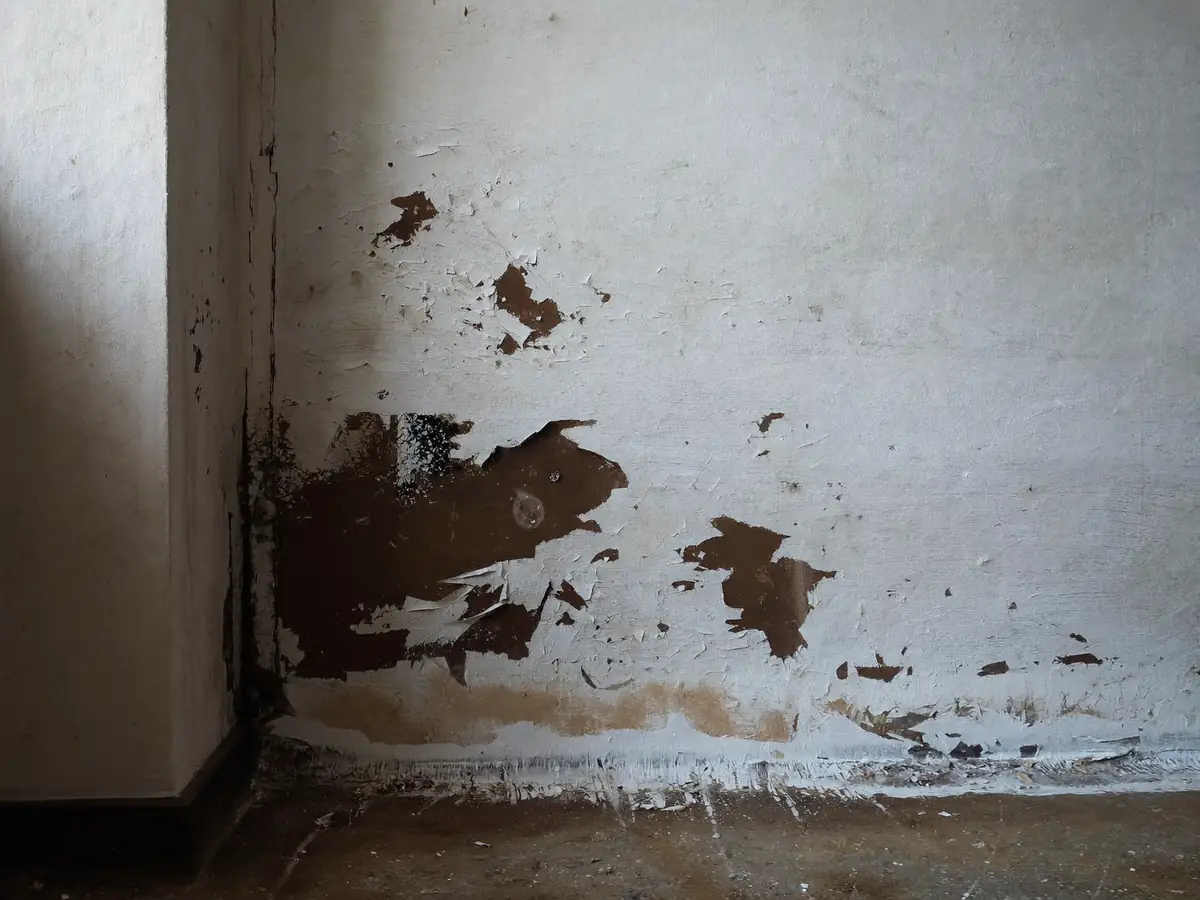
Damp is the problem I see most in Porto homes. It is also the one sellers are best at hiding, because a fresh coat of paint costs little. Here is what to look for.
What rising damp is
Rising damp is groundwater drawn up through a wall by capillary action. Many older Porto buildings were built in granite and masonry without a damp-proof course, so the base of the wall can slowly soak up moisture from the ground. It usually shows low on the wall, within the first metre or so, often on the ground floor and in basements.
Signs at a viewing
- Paint that is bubbling, flaking or peeling near the skirting
- White salt crystals or a powdery deposit on the wall (efflorescence)
- A tide-mark line at a similar height along the wall
- Skirting boards that are swollen, stained or fresh-painted
- A musty smell, especially in a closed room
- Fresh paint only on the lower part of a wall
Is it really rising damp?
Not all damp is rising damp, and the cause decides the cure.
- Condensation forms on cold surfaces from indoor humidity, often in corners and behind furniture, and is linked to poor ventilation.
- Leaks from plumbing, roofs or terraces often show higher up the wall or on ceilings.
- Penetrating damp comes through a wall from outside, from a failing facade, gutter or window junction.
Treating the wrong cause wastes money. That is why diagnosis matters before repairs.
How an inspection finds it
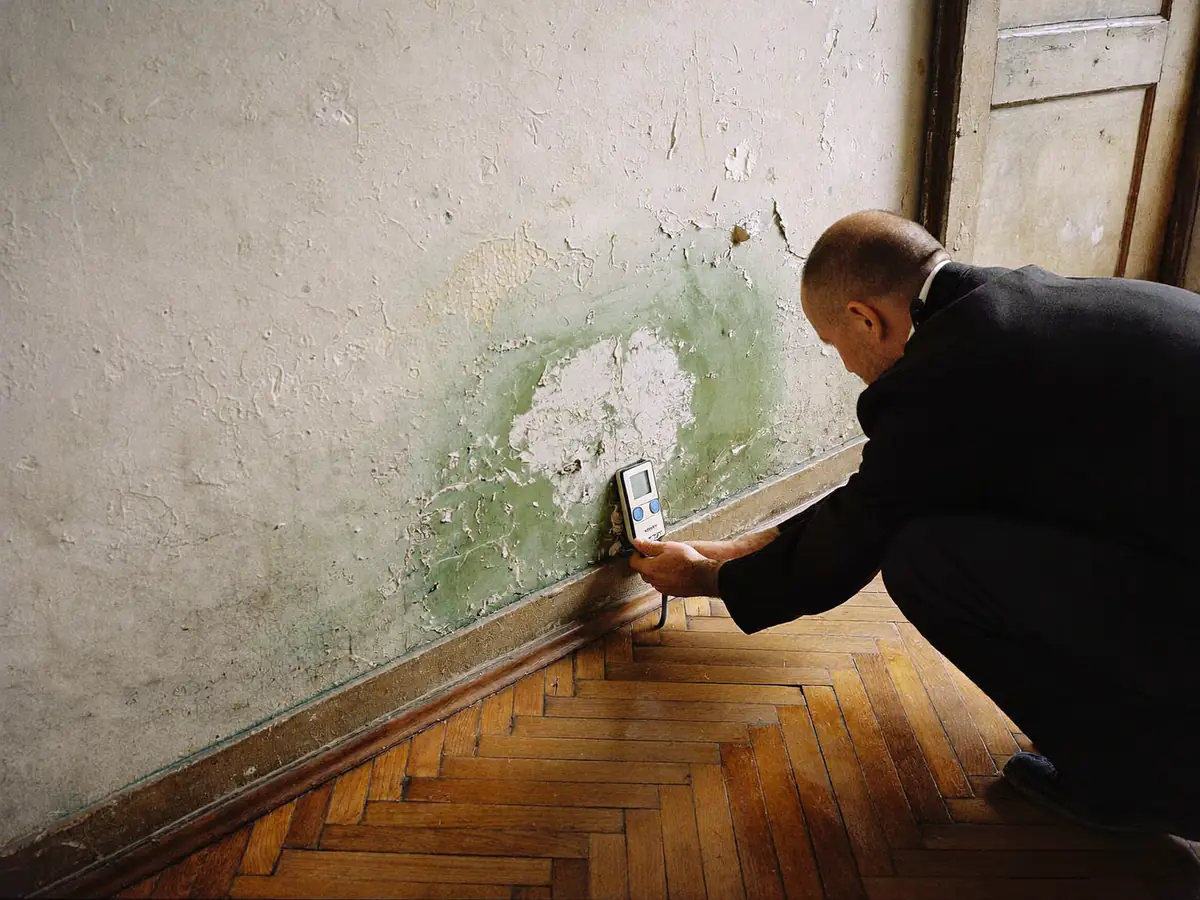
A moisture meter measures how wet a wall really is, and an infrared thermal camera reveals temperature differences that can point to moisture behind paint, new plaster or tiles. Together they show where the water is and how far it has spread. A dedicated moisture inspection goes deeper, and a pre-purchase inspection already assesses damp throughout the property.
What to do if you find it
- Do not panic. Damp is rarely a reason to walk away on its own
- Find the cause before you price the repair
- Use it in negotiation: damp is a real cost
- Ventilate and keep the property dry after you buy
At Oporto Home Inspections we inspect homes across Porto, Vila Nova de Gaia and the North for buyers who want the truth about a property, not the sales version. Inspect with confidence.