What Every Property Buyer in Porto Should Check Before Signing
By Manuel R.3 min read
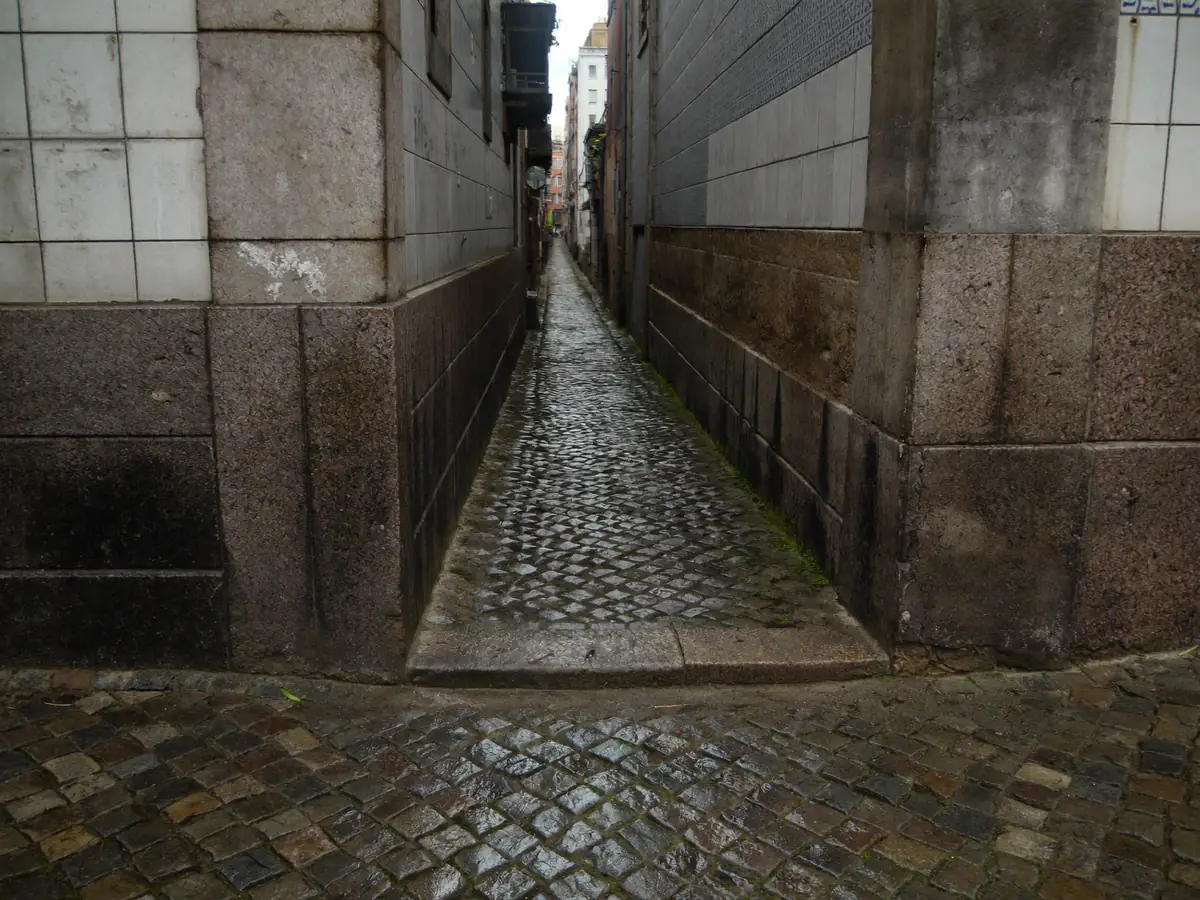
Porto’s housing stock is old. That is part of the charm, and most of the risk.
Porto’s property market has attracted thousands of buyers from across Europe and beyond. The architecture, the lifestyle and the price compared with other Western European cities make it compelling. But the older buildings that make Porto beautiful are also the source of most of the problems we find during inspections.
Most properties for sale in Porto were built before modern building regulations. Many date from the early to mid 20th century, some much older. That means no damp-proof courses, timber structures that have lived through decades of humidity, and electrical systems last updated when the previous owners moved in.
None of this is a reason not to buy. Porto apartments and houses can be fantastic investments. But go in with your eyes open, because the asking price rarely reflects the work that needs doing.
The five things we check on every inspection in Porto
1. Rising damp and moisture in the walls
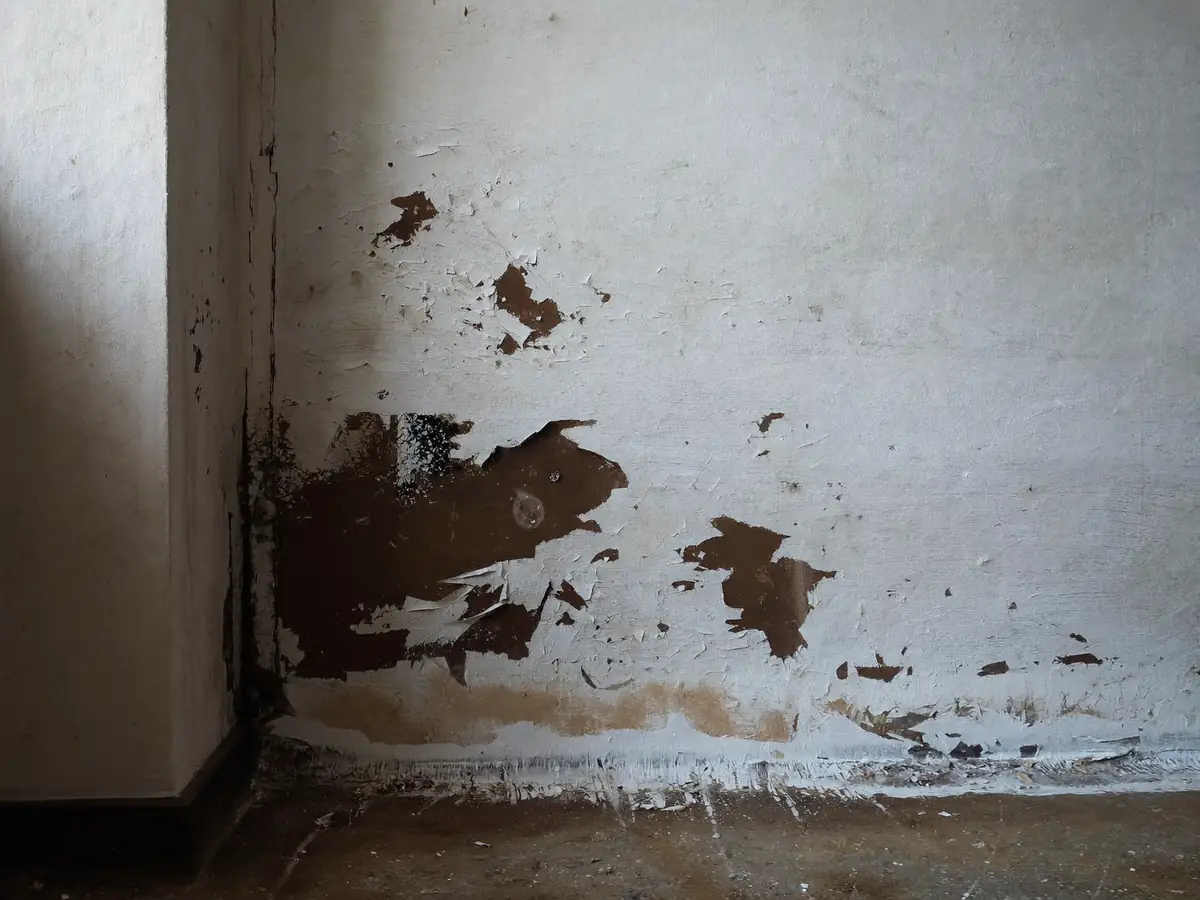
The single most common issue in older Porto properties. Ground-floor apartments and the lower levels of buildings are especially vulnerable. Damp shows up as staining, peeling paint, a musty smell, or sometimes nothing visible until you use a moisture meter. Left untreated it leads to mould, deteriorating plaster and structural damage.
2. The roof and the terrace
Flat terraces on Porto buildings are almost always a potential problem. The waterproofing layer degrades over time and water finds its way in. We look at the membrane, cracking, drainage points and any signs of previous leaks on the ceiling below. Old clay-tile roofs are beautiful but need checking for broken or displaced tiles and the condition of the structure underneath.
3. Timber floors and structural beams
Many Porto properties have original timber floors and wooden beams as part of the structure. They can be in excellent condition or compromised by rot, woodworm or long-term moisture. We check for movement, soft spots and signs of infestation. Replacing structural timber is expensive. Knowing before you buy means you can negotiate or walk away.
4. Electrical installation
Older properties often have electrical systems added to over the years and never fully replaced. We look for outdated wiring, missing earth connections, overloaded boards and anything that is a safety risk. This is not about minor inconvenience. Electrical faults are a fire risk.
5. Plumbing and water pressure
Lead pipes, corroded fittings and inadequate water pressure are more common than buyers expect. We check visible plumbing, run the taps, flush the toilets and test pressure where possible. A full repipe is a significant cost that changes the economics of a purchase.
What an independent inspection actually gives you
An OHI inspection is not a pass-or-fail certificate. It is a detailed written report that tells you exactly what we found, what it means in practical terms and what we recommend. Every finding is photographed and clearly described.
You receive the report within 48 hours, in English and Portuguese. Most clients read it alongside their lawyer before deciding, and many use it to negotiate a price adjustment or ask for specific repairs before signing the promissory contract. Every inspection is quoted per property, with the quote sent within one business day.
At Oporto Home Inspections we inspect homes across Porto, Vila Nova de Gaia and the North for buyers who want the truth about a property, not the sales version. Inspect with confidence.