Black mould inspection in Porto
Dark patches on a wall or ceiling, a musty smell, or a flat that was freshly painted before your viewing. We find out whether it is mould, where the moisture comes from and whether the rest of the home is clear, then tell you in plain language what to do.
What we check
- Visible mould on walls, ceilings, window reveals, in wet rooms and behind wardrobes and furniture
- Moisture readings at every risk spot: external walls, ceiling corners, bathrooms, ground floor
- Thermal survey for cold and wet patches behind paint, tiles and fitted furniture
- The source: condensation, a leak, rising damp, or a failed terrace or roof
- Ventilation: extraction in bathrooms and kitchen, window vents, and how the home is used
- Signs of a cover-up: fresh paint low on walls, stain-blocking paint, a dehumidifier or air freshener left running
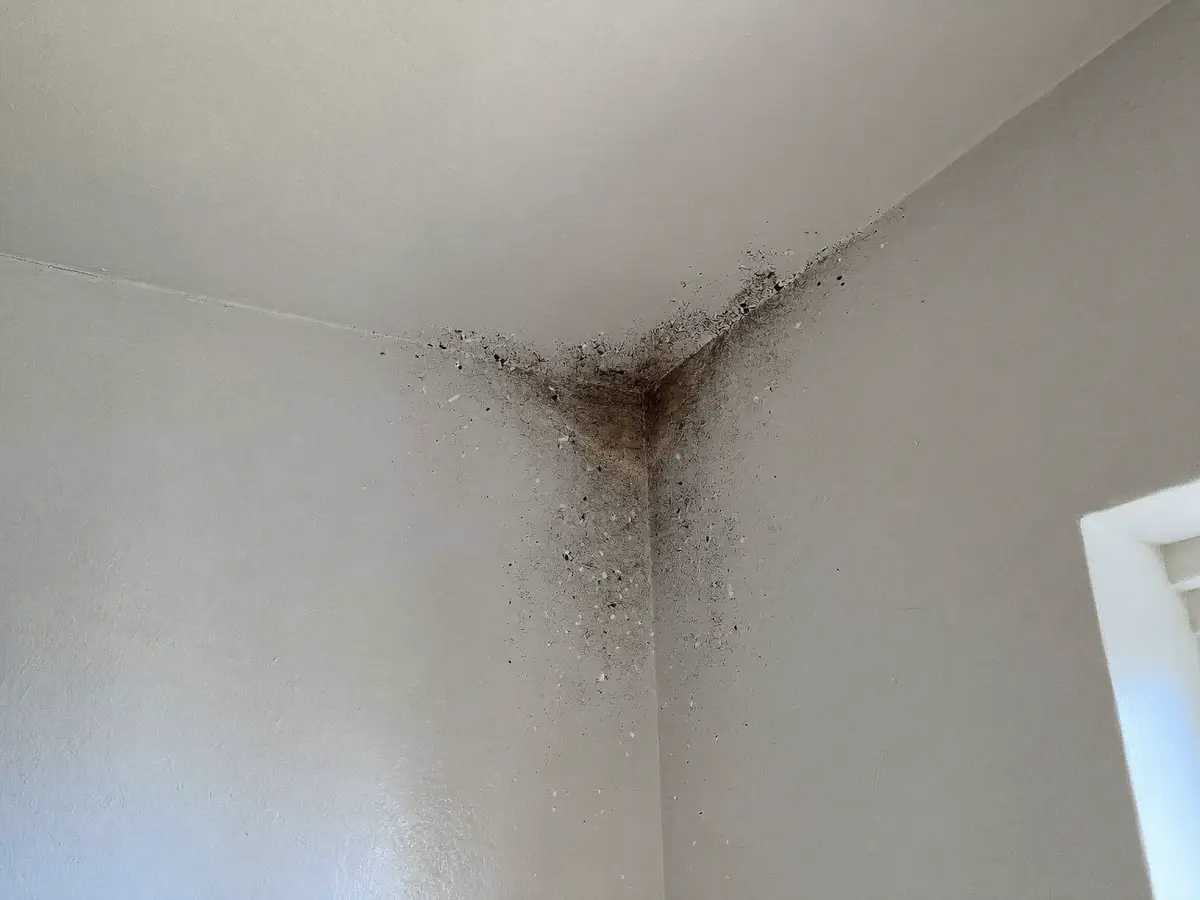
Why it matters
“Black mould” is the common name for dark moulds, often linked to Stachybotrys chartarum. Colour alone does not tell you the species: many moulds look black, and only laboratory analysis can name one. What matters in practice is the same for all of them. Mould grows where materials stay damp.
That is why we look for the moisture first. Mould that has been wiped away comes back if the damp is still there. The World Health Organization links indoor dampness and mould to respiratory symptoms, allergies and asthma (WHO guidelines on dampness and mould).
Use it before buying, to price the repair and negotiate. Use it in a rented or inherited home, to put the problem on record. Or use it at home, to fix the cause instead of repainting.
How we confirm a home is clear
No inspection can promise there is no mould anywhere in a building. What we can do is look for it, and for the damp it needs, everywhere we can reach, and report exactly what we found.
Look where mould hides
Ceiling corners, window reveals, wet rooms, behind wardrobes and beds on external walls, under sinks, lofts and basements. We photograph what we find, and what we could not reach.
Measure the moisture
A moisture meter at the same risk spots, so a dry wall is a reading and not an impression.
Scan with thermal imaging
Infrared shows cold and wet patches behind paint, plaster, tiles and fitted furniture, where the eye cannot see.
Judge the cause
Ventilation, heating, leaks and how the home is used. A home with no source of damp is far less likely to grow mould.
Test, if it matters
Where you need proof, for your health, a claim or a sale, we can add mould testing. It is quoted per property.
How we rank what we find
The same four levels run through every OHI report, so you always know what to deal with first.
- Immediate
Leak near electrics
Water reaching sockets, lights or the consumer unit. Isolate it before anything else.
- Urgent
Mould with active moisture
Growth in a bedroom or living space while the wall is still wet. Fix the cause, then clean.
- Recommended
Ventilation and cold bridges
Extraction, window vents or insulation so the damp does not return.
- Monitor
Old stain, dry wall
A past leak that has been fixed. Record it and check again next year.
How it works
Send us the listing
A link or the address, plus your phone number. Email, WhatsApp or the form, whichever is easier.
We send your quote
You get a clear quote and a date. We reply within one business day.
Inspection day
A licensed civil engineer inspects the property, photographs every finding and measures what can be measured.
Report in 48 hours
Your report arrives in English and Portuguese, findings ranked by priority. You decide what to do before the CPCV.
Questions about this service
Is black mould dangerous?
It can be a problem for people with asthma, allergies or a weak immune system, and the WHO links damp and mould to respiratory symptoms. Colour does not tell you how harmful a mould is. If someone at home is unwell, see a doctor, and deal with the damp.
How can I tell black mould from dirt?
You cannot be sure by eye. Mould is usually spotty or fuzzy, sits in damp corners and comes back after cleaning. If it returns, treat it as a damp problem until shown otherwise.
Can you guarantee that a home has no mould?
No honest inspector can. We report what is visible and measurable in the areas we can access, and tell you where hidden mould is still possible.
Do you take samples or test the air?
A standard inspection is visual, with a moisture meter and thermal imaging. If you need testing, we add mould testing, quoted per property. See hazardous materials testing.
Should I clean it myself?
Wiping or painting over a patch does not fix the cause. Find the source of the damp first. Do not scrub or sand large areas, because that spreads spores.
Is mould a reason not to buy?
Not by itself. It tells you there is, or was, a moisture problem. What matters is the cause and the cost to put it right, which is why we measure before we advise.
How do I get a quote?
Send us a message with the address and what you have noticed. We quote within one business day.
Ready when you are.
Send us the listing, the address or a short description. You get a quote and a date within one business day.